-
-
Address
14-16 Averof Road, Kamma Heights, Port Elizabeth, 6070 ZA
-
Phone
+27 69 623 0286
-
-

Spanish
-

French
-
22
Oct
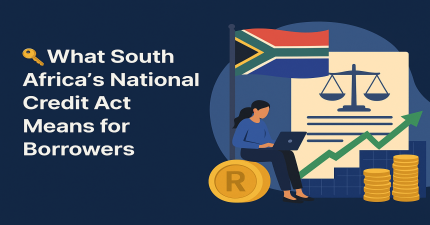
⚖️ What South Africa’s National Credit Act Means for Borrowers
In South Africa, credit is everywhere — from vehicle finance to home loans, business funding, and personal borrowing. But not all lending is equal, and without clear regulation, borrowers could easily fall into unfair or exploitative agreements. That’s why the National Credit Act (NCA) exists — to protect both consumers and lenders, and to promote fairness, transparency, and responsible lending. 1️⃣ What Is the National Credit Act (NCA)? The NCA was introduced in 2005 and came into full effect in 2007. Its primary goal is to ensure that all credit transactions in South Africa are: Fair Transparent Non-discriminatory Based on affordability It applies to banks, micro-lenders, retailers, and private financiers — including institutions like PienaarBank. 2️⃣ Your Rights Under the NCA As a borrower, the Act gives you specific legal rights: To receive clear information about all loan costs before signing. To be protected from reckless lending (loans that you cannot afford). To access your credit report and dispute inaccurate information. To receive a proper statement of account during your loan term. To apply for debt review if you fall behind on payments. These protections help prevent over-indebtedness and ensure that lenders act responsibly. 3️⃣ Lender Obligations All credit providers must: Assess affordability using accurate income and expense data. Disclose all interest, fees, and penalties in advance. Provide agreements in clear, understandable language. Respect privacy and not misuse personal data. At PienaarBank, we comply fully with NCA standards and South Africa’s Financial Intelligence Centre Act (FICA) to ensure fair, transparent, and ethical lending. 4️⃣ What Is Reckless Lending? A loan is considered reckless if it is granted without proper affordability checks — or if the lender knew you couldn’t realistically repay it. If a court finds a lender guilty of reckless lending, it can suspend or even cancel the loan. That’s why reputable institutions always require income verification, KYC documentation, and risk evaluation before approval. 5️⃣ Why Responsible Borrowing Matters While the NCA protects borrowers, it also expects responsibility in return. You must: Provide truthful information during your application. Use credit only for legitimate, planned purposes. Honour repayment schedules. This mutual accountability builds a stronger financial ecosystem for everyone. 6️⃣ The Role of Private Lenders in Today’s Market Private lenders like PienaarBank play a key role in providing access to finance where traditional banks can’t. By following the same NCA principles — fairness, affordability, and transparency — we’re helping to expand responsible lending to more South Africans than ever before. Final Thought The National Credit Act isn’t just a legal framework — it’s a safeguard for your financial future. By understanding your rights and choosing compliant, transparent lenders, you can borrow confidently, knowing your interests are protected every step of the way. At PienaarBank, we don’t just lend money — we uphold principles.
22
Oct
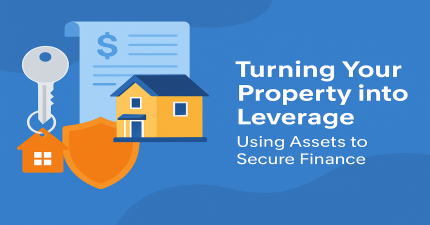
🏡 Turning Your Property into Leverage — Using Assets to Secure Finance
Discover how South Africans can use property, vehicles, or other valuable assets as collateral to secure finance, access higher loan amounts, and benefit from lower interest rates. Turning Your Property into Leverage — Using Assets to Secure Finance For many South Africans, wealth isn’t sitting in a savings account — it’s tied up in property, vehicles, or business equipment. What many don’t realise is that these assets can be used to unlock funding, giving you access to capital for expansion, investment, or personal needs. This process is called secured lending, and it’s one of the most effective ways to borrow responsibly while keeping your costs down. 1️⃣ What Is Secured Lending? A secured loan is one that is backed by an asset — for example, your home, car, or investment property. If the borrower defaults, the lender has the right to sell that asset to recover the loan balance. While that might sound intimidating, it’s actually beneficial for borrowers who want: Higher loan amounts Longer repayment terms Lower interest rates Because the risk to the lender is reduced, the cost of borrowing also comes down. 2️⃣ What Assets Can Be Used as Security? South African lenders typically accept: Residential property – full or partial ownership Vehicles – with valid ownership papers and valuation Business equipment or machinery Gold or other tangible assets Cash deposits or fixed investments Each asset type must be verifiable and supported by proof of ownership and, where required, a valuation report. 3️⃣ How Valuation Affects Loan Approval Before approving your loan, the lender will determine your asset’s market value. At PienaarBank, we usually lend up to a set percentage of that value (known as the Loan-to-Value ratio). For example: If your vehicle is worth R200,000 and our LTV limit is 70%, your maximum loan amount would be R140,000. This ensures the loan remains fair and manageable for both sides. 4️⃣ Benefits of Using Your Property or Assets as Security ✅ Lower interest rates — secured loans cost less than unsecured ones. ✅ Higher approval chances — the asset reduces the lender’s risk. ✅ Flexible repayment options — longer terms are often available. ✅ Potential to build credit — regular, on-time payments boost your credit record. 5️⃣ Risks and Responsibilities It’s important to understand that using an asset as collateral means the lender has legal claim if you fail to repay. That’s why borrowers should: Carefully read all loan documentation. Keep insurance on secured assets up to date. Notify the lender of any material changes (such as property sale or loss). Final Word At PienaarBank, we believe your assets should work for you — not sit idle. By converting property or other assets into leverage, you can unlock growth capital while maintaining full transparency and control. Your property is power — use it wisely.
22
Oct
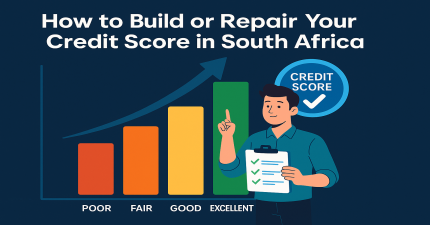
📈 How to Build or Repair Your Credit Score in South Africa
Your credit score can make or break your ability to access finance in South Africa. Learn how to check, improve, and maintain your credit rating with these simple, proven steps. How to Build or Repair Your Credit Score in South Africa Your credit score is one of the most important financial numbers in your life — it determines whether you can get approved for a loan, rent an apartment, or even sign a cellphone contract. The good news? Even if your score isn’t great, you can rebuild it with time, consistency, and the right habits. 1️⃣ What Is a Credit Score? In South Africa, a credit score is a three-digit number that ranges from 0 to 999. It’s calculated by major credit bureaus such as TransUnion, Experian, Compuscan, and XDS, based on your payment history, debt levels, and credit usage. A score above 650 is generally considered good, while anything below 580 may signal risk to lenders. 2️⃣ Check Your Credit Score Regularly Every South African is entitled to one free credit report per year from each bureau. Visit: www.transunion.co.za www.experian.co.za www.clearscore.co.za Review your report for errors, old accounts, or missed payments that no longer apply. If you find mistakes, you have the right to dispute and request correction. 3️⃣ Pay Every Account on Time Timely repayment is the single biggest factor affecting your score. Even one missed payment can hurt your rating and stay on your report for up to two years. If you struggle to remember due dates, set up automatic debit orders or reminders. Consistency builds reliability in the eyes of lenders. 4️⃣ Keep Your Credit Usage Low If you have credit cards or revolving accounts, try not to use more than 30% of your available limit. High usage signals dependency on credit and can lower your score, even if you make payments on time. 5️⃣ Avoid Applying for Too Much Credit Every time you apply for new credit, the lender runs a hard inquiry, which temporarily lowers your score. Apply only when necessary, and avoid multiple applications in a short period. 6️⃣ Consider a Responsible Loan Paradoxically, having no credit history can make it harder to get approved. A small, well-managed loan (such as a short-term PienaarBank loan) repaid on time can help you build positive credit history and demonstrate financial responsibility. 7️⃣ Be Patient and Consistent Credit repair takes time — but progress is guaranteed if you maintain discipline. Most people can improve their score by 50–100 points within six months by following the steps above. Final Thought At PienaarBank, we don’t just offer finance — we help our clients build stronger financial futures. Responsible borrowing and timely repayments are the foundation of lasting credit health. Your credit score is your financial reputation. Protect it, improve it, and it will open every door.
22
Oct
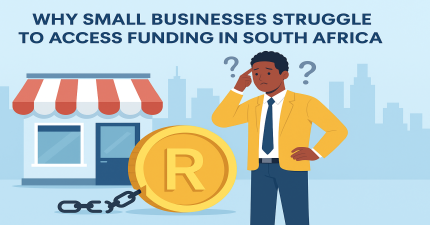
💼 Why Small Businesses Struggle to Access Funding in South Africa
Accessing business finance in South Africa is often difficult for entrepreneurs and SMEs. Learn why traditional lenders say no — and how modern digital lenders are changing the story. Why Small Businesses Struggle to Access Funding in South Africa For many South African entrepreneurs, access to finance is one of the biggest barriers to growth. Despite government initiatives and numerous financial institutions, small businesses still find it difficult to secure the funding they need to expand, hire, or even survive. Here’s why that happens — and how modern lenders are bridging the gap. 1️⃣ Limited Access to Collateral and Credit History Traditional banks still rely heavily on collateral-based lending, requiring property, vehicles, or fixed assets to secure a loan. Most SMEs — especially startups — simply don’t have those kinds of assets. At the same time, South Africa’s credit system often excludes informal or newly registered businesses that don’t yet have a track record with credit bureaus, making approvals almost impossible under traditional models. 2️⃣ Slow Approval Processes Conventional lending involves manual documentation, in-person meetings, and multiple layers of approval. For entrepreneurs who need fast access to working capital, these delays can be crippling — a missed opportunity can mean the difference between survival and closure. Digital lenders like PienaarBank solve this by using electronic KYC, automated scoring, and secure online submissions, cutting approval times from weeks to days. 3️⃣ High Administrative Requirements Banks often ask for audited financial statements, tax clearance certificates, and multiple months of transactional data. Many small businesses — especially those in informal or cash-based sectors — struggle to produce these documents. By contrast, digital lenders can assess real-time affordability using bank statements, sales data, and verified ID uploads through an online system. 4️⃣ Risk Perception and Economic Uncertainty Since the COVID-19 pandemic, South African lenders have become more cautious about business credit. SMEs are often seen as high-risk, particularly in sectors such as transport, retail, and construction. However, responsible alternative lenders are proving that structured microfinance, supported by technology, can still deliver excellent repayment performance when loans are personalised and transparent. 5️⃣ The Rise of Digital Microfinance Fintech platforms like PienaarBank represent a new generation of South African lenders that combine speed, simplicity, and compliance. Borrowers can now apply online, submit KYC documents digitally, and receive funds directly into their ABSA bank accounts — all within a matter of days. This shift is helping legitimate small businesses grow without the red tape of old banking systems. Final Word Access to finance shouldn’t depend on the size of your business — only on your integrity and potential. At PienaarBank, we believe every entrepreneur deserves the chance to succeed, and we’re here to make that possible with structured, transparent, and fair lending. Empowering business growth — one loan at a time.
22
Oct
🏦 Understanding the True Cost of Borrowing in South Africa
Interest rate alone doesn’t tell the whole story. Learn how to calculate the real cost of your loan, including fees, insurance, and repayment terms, with practical examples for South African borrowers. Understanding the True Cost of Borrowing in South Africa When applying for a loan, many South Africans focus only on the interest rate — but that’s just one part of the total cost of borrowing. The real price of credit includes fees, insurance, and the structure of your repayments, all of which affect how much you actually pay back. 1️⃣ Flat vs. Reducing-Balance Interest Most short-term and microloans in South Africa use flat interest, meaning the same rate is charged on the full loan amount for the entire term.Interest rate alone doesn’t tell the whole story. Learn how to calculate the real cost of your loan, including fees, insurance, and repayment terms, with practical examples for South African borrowers.Understanding the True Cost of Borrowing in South AfricaWhen applying for a loan, many South Africans focus only on the interest rate — but that’s just one part of the total cost of borrowing. The real price of credit includes fees, insurance, and the structure of your repayments, all of which affect how much you actually pay back.1️⃣ Flat vs. Reducing-Balance InterestMost short-term and microloans in South Africa use flat interest, meaning the same rate is charged on the full loan amount for the entire term. For example, a R20 000 loan at 2% per week for 52 weeks results in:Interest = R20,000 × 0.02 × 52 = R20,800 Total Payable = R40,800 By contrast, a reducing-balance loan (used by most banks for home or vehicle finance) calculates interest only on the remaining balance, so you pay less interest over time.2️⃣ Fees and Charges That Add UpSouth African lenders are allowed to charge administrative and legal fees, as long as these are disclosed up front. Typical extras include: Arrangement or documentation fees – one-time processing charge Payment Protection Policy premiums – required insurance that protects both lender and borrower Late-payment penalties – daily or weekly fees if repayments are missed Always review the Total Cost of Credit section before signing any agreement.3️⃣ Why Repayment Term MattersA longer term reduces your weekly payment but increases total interest. For example, doubling your repayment period can almost double your total cost if the interest rate stays the same. Choose the shortest term that still fits comfortably within your budget.4️⃣ The Role of Payment Protection InsurancePienaarBank requires all borrowers to hold a Payment Protection Policy. This ensures your repayments are covered in case of illness, loss of income, or death — protecting your family and credit record from unexpected hardship.5️⃣ Quick Checklist Before Accepting Any Loan✅ Check whether the rate is flat or reducing balance ✅ Review all admin and legal fees ✅ Confirm total interest payable over the full term ✅ Ask about insurance and repayment protection ✅ Request the total payable amount in writingFinal ThoughtsAt PienaarBank, transparency is central to responsible lending. We clearly show the total payable, interest earned, and repayment structure on every loan so you know exactly what you’re committing to. Knowledge is power — and financial clarity is security.
22
Oct
🛡️ Why Payment Protection Insurance Is Essential for Borrowers
Discover why every South African borrower should have Payment Protection Insurance (PPP — how it works, what it covers, and how it protects your family and your credit. Why Payment Protection Insurance Is Essential for Borrowers Life is unpredictable. Illness, retrenchment, or even an accident can suddenly interrupt your ability to earn. For borrowers, this can lead to missed payments, legal action, and long-term damage to your credit profile. That’s where Payment Protection Insurance (PPP) comes in — it acts as a financial safety net for both the borrower and the lender. 1️⃣ What a Payment Protection Policy Covers A standard PPP typically covers: Death or Permanent Disability – remaining balance is settled in full Temporary Disability or Illness – monthly or weekly installments are paid on your behalf Loss of Income or Retrenchment – repayments are covered for a set period while you recover or find new work This means your family keeps their peace of mind and your financial commitments remain intact. 2️⃣ Why It’s Mandatory at PienaarBank PienaarBank requires every approved borrower to take out a Payment Protection Policy through a trusted, FSP-licensed insurance provider. This ensures that: All loans remain protected against default from uncontrollable events Clients avoid the stress of arrears, legal fees, or asset repossession The lending process stays compliant with South Africa’s Financial Intelligence Centre Act (FICA) and responsible-lending standards 3️⃣ How It Works in Practice When your loan is approved: You agree to obtain PPP coverage from our recommended provider. The insurer issues a certificate confirming cover. PienaarBank activates your loan once proof of cover is received. In the event of a claim, the insurer settles directly with PienaarBank, ensuring your account remains in good standing. 4️⃣ The Real Value of Protection Many borrowers view insurance as an unnecessary expense — until they need it. For example: A client with a R100 000 loan who becomes unable to work due to illness would still owe full repayments each week. With PPP, those payments continue automatically for the covered period, protecting their family from financial strain. 5️⃣ How to Get Covered Our lending team will refer you to one of our approved insurance partners during the loan-activation stage. The policy is separate from your loan agreement but remains a mandatory requirement for release of funds. Final Word Financial responsibility includes protecting your future. Payment Protection Insurance is not just a policy — it’s your assurance that, even in life’s most difficult moments, your loan remains secure, your assets protected, and your reputation intact.

-
Build Your Future with Pienaar Group
Access trusted, flexible, and affordable commercial loan solutions — tailored to your goals and backed by a team that believes in your success. Whether you’re expanding a business, funding a dream, or consolidating debt, we’re here to help you move forward with confidence.
- Apply Now