Discover how South Africans can use property, vehicles, or other valuable assets as collateral to secure finance, access higher loan amounts, and benefit from lower interest rates.
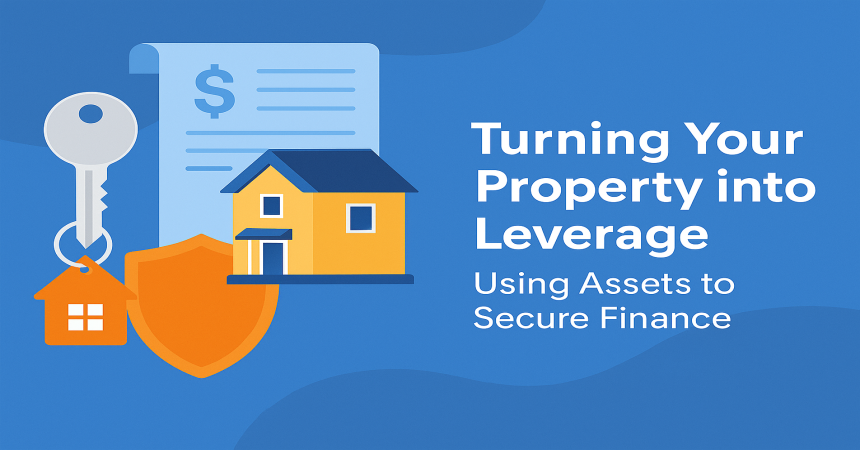
Turning Your Property into Leverage — Using Assets to Secure Finance
For many South Africans, wealth isn’t sitting in a savings account — it’s tied up in property, vehicles, or business equipment.
What many don’t realise is that these assets can be used to unlock funding, giving you access to capital for expansion, investment, or personal needs.
This process is called secured lending, and it’s one of the most effective ways to borrow responsibly while keeping your costs down.
1️⃣ What Is Secured Lending?
A secured loan is one that is backed by an asset — for example, your home, car, or investment property.
If the borrower defaults, the lender has the right to sell that asset to recover the loan balance.
While that might sound intimidating, it’s actually beneficial for borrowers who want:
-
Higher loan amounts
-
Longer repayment terms
-
Lower interest rates
Because the risk to the lender is reduced, the cost of borrowing also comes down.
2️⃣ What Assets Can Be Used as Security?
South African lenders typically accept:
-
Residential property – full or partial ownership
-
Vehicles – with valid ownership papers and valuation
-
Business equipment or machinery
-
Gold or other tangible assets
-
Cash deposits or fixed investments
Each asset type must be verifiable and supported by proof of ownership and, where required, a valuation report.
3️⃣ How Valuation Affects Loan Approval
Before approving your loan, the lender will determine your asset’s market value.
At PienaarBank, we usually lend up to a set percentage of that value (known as the Loan-to-Value ratio).
For example:
If your vehicle is worth R200,000 and our LTV limit is 70%, your maximum loan amount would be R140,000.
This ensures the loan remains fair and manageable for both sides.
4️⃣ Benefits of Using Your Property or Assets as Security
✅ Lower interest rates — secured loans cost less than unsecured ones.
✅ Higher approval chances — the asset reduces the lender’s risk.
✅ Flexible repayment options — longer terms are often available.
✅ Potential to build credit — regular, on-time payments boost your credit record.
5️⃣ Risks and Responsibilities
It’s important to understand that using an asset as collateral means the lender has legal claim if you fail to repay.
That’s why borrowers should:
-
Carefully read all loan documentation.
-
Keep insurance on secured assets up to date.
-
Notify the lender of any material changes (such as property sale or loss).
Final Word
At PienaarBank, we believe your assets should work for you — not sit idle.
By converting property or other assets into leverage, you can unlock growth capital while maintaining full transparency and control.
Your property is power — use it wisely.